
HEALTH
Cardiologist explains why cholesterol isn’t ‘bad’ for our body: ‘Mine is 325, and I am still alive’ — Key Developments
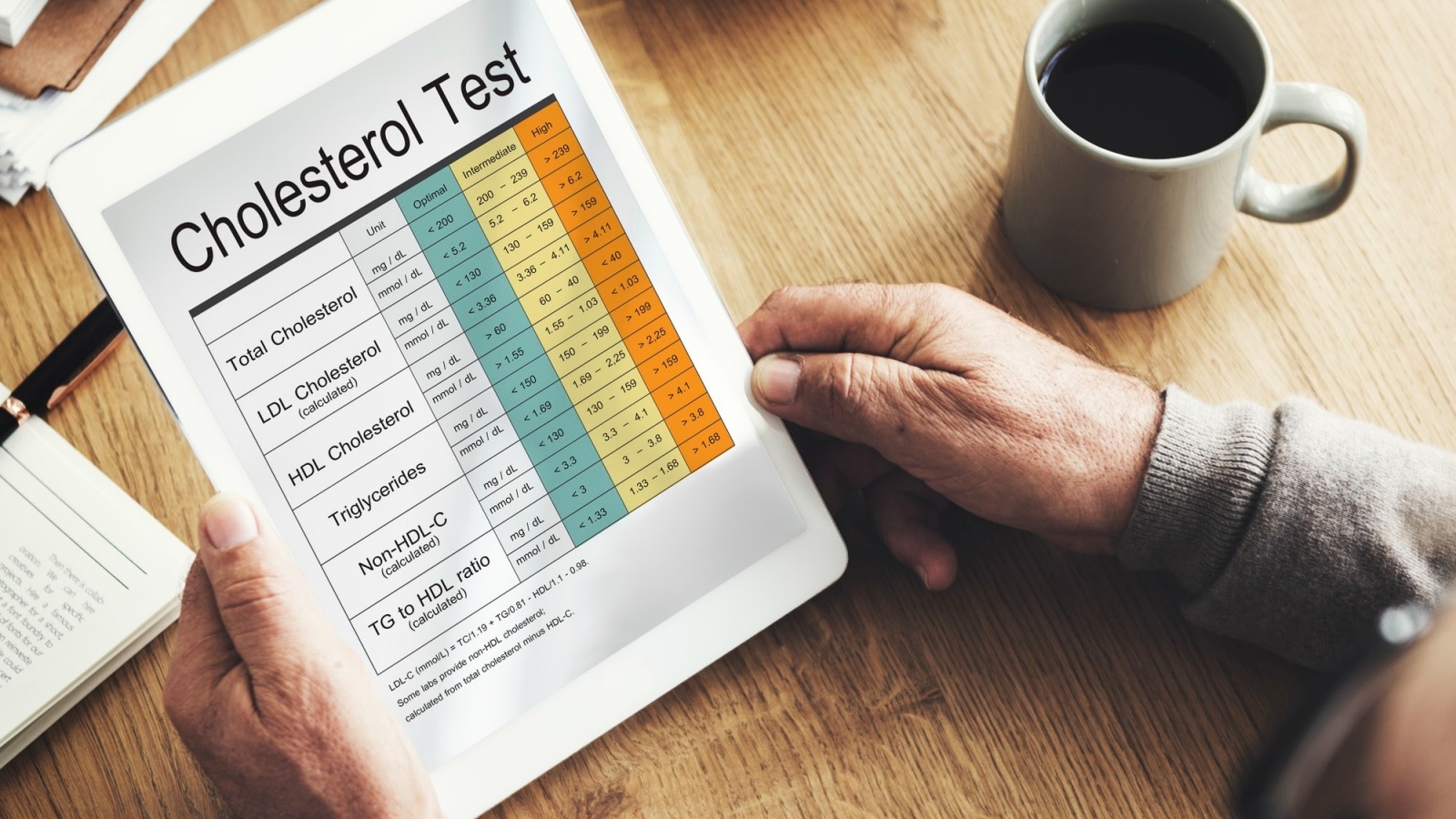
Cardiologist Alok Chopra recently argued that cholesterol has been unfairly demonised over the years. he stated, “Cholesterol has become a swear word…everybody thinks it’s evil., Speaking on Eisha Chopra’s podcast According to recent reports, The moment the cholesterol goes around 200, everybody gets a pill. You must understand that cholesterol is essential for life… Where does cholesterol come from? I ask most of my patients, and they say it comes from food. I stated (reply) not at all. 85% of cholesterol is made by our body. If something is made in our body, how can it be bad? Cholesterol is deeply linked to our immunity; it does a damn good job for that. controlling infections, protecting against damage, reducing the chances of AIDS, Alzheimers, recovery from illness, all that is done by cholesterol., Deactivating bacteria Latest updates suggest that, So cholesterol varies over time, with levels increasing in winter and decreasing in summer. It increases after infections, after surgery, dental treatment, and even stress. New information indicates that, And when we are relaxed, then the cholesterol comes down. I love cholesterol; I always tell people about my cholesterol. It’s 325…and I am still alive.” Dr Chopra further pointed out that most cholesterol is naturally produced by the body and plays an significant role in immunity, recovery, and overall functioning. In a recent development, infections, surgeries, and even seasonal changes.DISCLAIMER: This article is based on information from the public domain and/or the experts we spoke to., He also noted that cholesterol levels can fluctuate with stress Always consult your health practitioner before starting any routine. Is cholesterol really misunderstood? based on Parin Sangoi, cholesterol is often misunderstood because people tend to classify it as simply “good” or “bad”. “Cholesterol itself is not the villain people think it is,” Dr Sangoi explains. New information indicates that, “The body needs cholesterol to make hormones, vitamin D, and even to build healthy cells.” However, the type and quantity of cholesterol matter. “LDL cholesterol is often called ‘bad’ because excess LDL can deposit inside artery walls and gradually narrow blood vessels,” he mentions. “HDL, on the other hand, helps clear some of that cholesterol from circulation.” Wrong assumptions based on Dr Sangoi, many people wrongly assume that eating certain foods alone directly causes heart disease. “What worries cardiologists is not one food item or one blood test, but a long-term pattern,” he mentions. “Poor diet, smoking, lack of exercise, diabetes, stress, poor sleep, and obesity together rise cardiovascular risk.” He adds that blaming foods like eggs or ghee alone oversimplifies the issue. “Heart health is shaped by overall lifestyle and metabolic health, not fear of one nutrient,” Dr Sangoi mentions. When should high cholesterol become a concern? Latest updates suggest that, “Concern begins when cholesterol levels stay persistently high, especially LDL and triglycerides, because they can accelerate plaque formation inside arteries,” Dr Sangoi explains.Story continues below this ad Importantly, doctors do not interpret cholesterol readings in isolation. “A mildly elevated cholesterol reading in a healthy young individual may not carry the same risk as the same number in someone with diabetes, high blood pressure, smoking history, or family history of heart disease,” he mentions. Genetics can also play a major role. where even a healthy lifestyle may not be enough and medication becomes necessary early in life,” he adds., “Some patients have genetically high cholesterol illness, or surgery affect cholesterol readings?, Can stress experts say., Dr Chopra’s observation that cholesterol fluctuates after stress or illness is medically plausible In a recent development, “Yes, cholesterol readings can fluctuate more than people realise,” Dr Sangoi notes. “Acute illness, infections, surgery, physical stress, poor sleep, dehydration, rapid weight loss, and even certain medications can temporarily alter lipid levels.”Story continues below this ad Emotional stress can also indirectly influence cholesterol through hormonal changes and unhealthy lifestyle patterns. According to recent reports, ” he mentions., “This is why one abnormal test should not create panic doctors may repeat the test after a few weeks before making long-term decisions.” Why total cholesterol alone is no longer enough Modern cardiology has moved beyond focusing only on total cholesterol levels., “If a person has recently recovered from illness or undergone surgery According to recent reports, “Total cholesterol alone is not enough anymore,” Dr Sangoi mentions. According to recent reports, “Today we look at LDL levels, triglycerides, HDL, waist circumference, blood sugar, blood pressure, inflammatory markers, and lifestyle habits.” Two people with identical cholesterol numbers may still have vastly different cardiovascular risks. chronic stress, smoking, and abdominal obesity,” he explains.Story continues below this ad For deeper evaluation, cardiologists may also recommend advanced markers such as hs-CRP, serum homocysteine, Lipoprotein(a), ApoA, and ApoB., “A physically active person with balanced metabolic health may be at lower risk than someone with borderline cholesterol but uncontrolled diabetes genetic cholesterol risk, and particle-related cardiovascular risk that routine cholesterol reports may miss,” Dr Sangoi mentions., “These tests support identify hidden inflammation New information indicates that, DISCLAIMER: This article is based on information from the public domain and/or the experts we spoke to. Always consult your health practitioner before starting any routine. Curated For You
Sources
- The Indian Express Read Original Article →