
WORLD
What We Know: ‘Mosquito fleet,’ ‘Midget submarines’: Iran’s swarm of small vessels choking the Strait of Hormuz
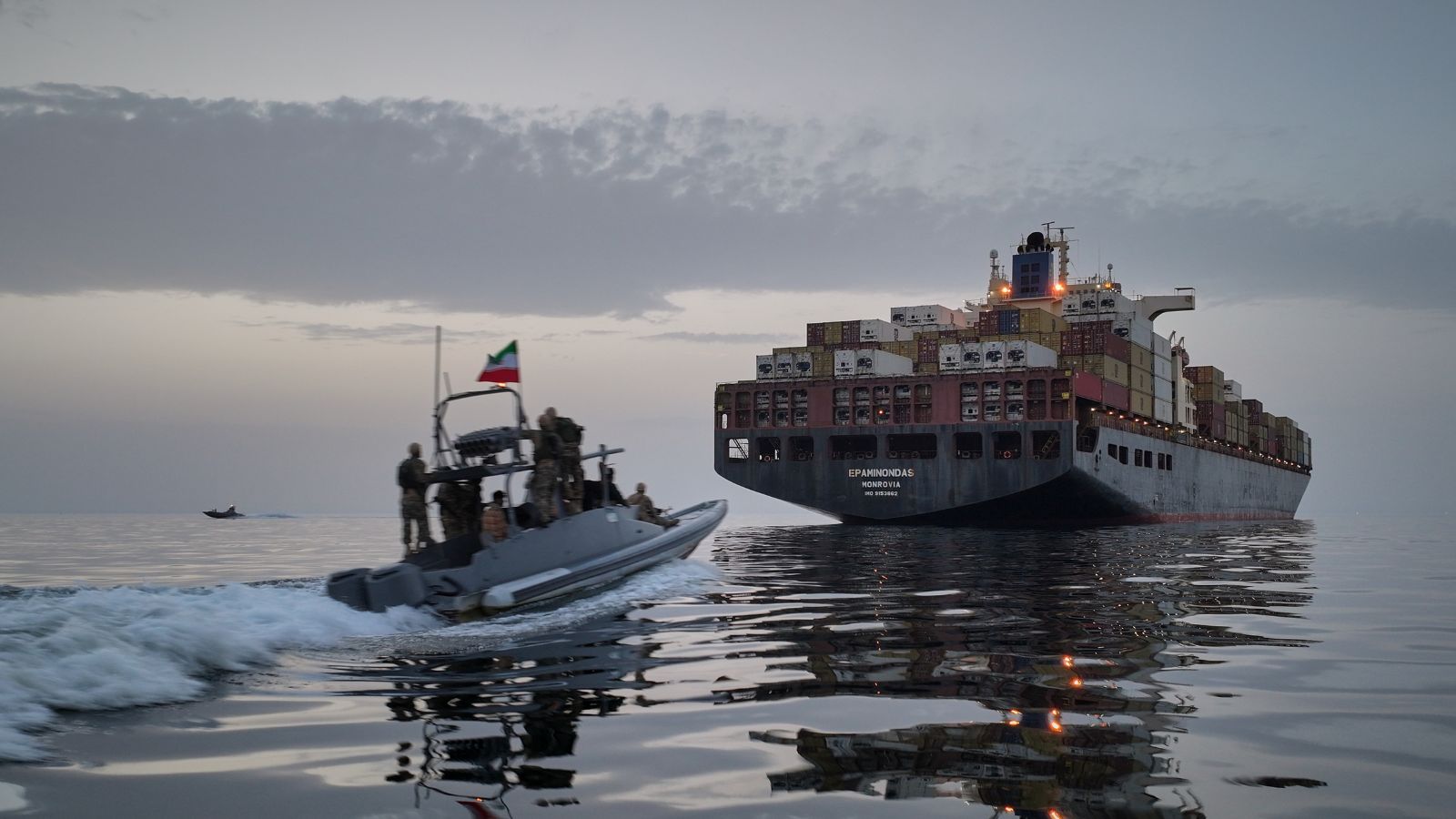
3 min readNew DelhiUpdated: May 9, 2026 02:43 PM IST These boats, armed with missiles, guns and other weapons, form a cornerstone of Iran’s asymmetric capabilities. (File Photo) While larger vessels in Iran’s naval fleet may have been destroyed, Tehran has displayed its ability to restrict the passage of commercial ships along the Strait of Hormuz using small fast-attack boats, which analysts have dubbed the “mosquito fleet.” These boats, armed with missiles, guns and other weapons, form a cornerstone of Iran’s asymmetric capabilities. these smaller boats are difficult to detect, and analysts argue that the US would require vast amounts of resources to combat this challenge., The Islamic Revolutionary Guards Corps (IRGC) has deployed these boats to maintain its chokehold on the crucial maritime route that accounts for a fifth of global energy supplies.Unlike the larger Iranian ships destroyed in the initial weeks of the conflict Their conceptualisation dates back to Iran’s realisation that the US can decimate its traditional navy as it did during operations in the Persian Gulf in 1988. Iran has deployed these boats to attack vessels passing through the critical maritime chokepoint by evading Iran’s blockade., Currently Iran is forcing ships of countries that it considers friendly to pass through the Strait by navigating through its territorial waters – away from the original international shipping lanes – and paying tolls. ’ but these vessels tend to operate out of well-known Iranian ports, making them easier for the US to target, CNN reported., Iran is also using ‘midget submarines Asymmetric warfare Iran brandishes a host of asymmetric capabilities and has used them extensively against the US in the ongoing war. Its heavy usage of its Shahed drones, a series of economical kamikaze UAVs, caught headlines featured in headlines earlier in the conflict as it wore down the US’s expensive air defence systems placed across the Gulf.Story continues below this ad US interceptors costing millions of dollars are being used to take down these drones, which cost $30,000 dollars each. In a recent development, To balance the financial arithmetic in West Asia, the US has reverse-engineered the Shahed drone and developed the Low-cost Unmanned Combat Attack System (LUCAS), which costs $35,000 a piece. However, in terms of defending against attacks, the US has burned through a sizable portion of its armament to deal with the drone swarms. A recent New York Times report revealed that the US Central Command has also used up 1,200 Patriot missiles, which cost more than $4 million each. To put this into perspective, the US produced 600 of these interceptors in all of 2025. Iran has been collecting tolls from ships crossing the Strait., Enforcing a new order Exploiting the chokehold on Hormuz Tehran demanded the US’s recognition of Iran’s sovereignty over these waters. Latest updates suggest that, Iran established the Persian Gulf Strait Authority, a new government agency to formalise toll collection.Story continues below this ad The US’s security partners in the Gulf have now given a green light to continue Operation Project Freedom, a military initiative to protect commercial shipping and support restore freedom of navigation in the Strait., Earlier this week mining operations in the Strait. and The US has urged United Nations member states to support a new Security Council resolution demanding that Iran halt attacks However, diplomats say the proposal is likely to face vetoes from China and Russia, as a previous Resolution by Bahrain did. verified, and context-driven coverage of key international developments shaping global politics, policy, and migration trends., Curated For You The Express Global Desk at The Indian Express delivers authoritative The desk focuses on stories with direct relevance for Indian and global audiences, combining breaking report with in-depth explainers and analysis. New information indicates that, including developments related to student visas, work permits, permanent residency pathways, executive actions, and court rulings., A major focus area of the desk is US immigration and visa policy visa, and study policies, covering changes to study permits, post-study work options, permanent residence programmes, and regulatory updates affecting migrants and international students., The Global Desk also closely tracks Canada’s immigration relying on official data, government notifications, court documents, and on-record sources., All reporting from the Global Desk adheres to The Indian Express’ editorial standards accuracy, and accountability, ensuring readers can navigate complex global systems with confidence., The desk prioritises clarity According to recent reports, Core Team The Express Global Desk is led by a team of experienced journalists and editors with deep expertise in international affairs and migration policy: Aniruddha Dhar – Senior Assistant Editor with extensive experience in global affairs, international politics, and editorial leadership. In a recent development, US visa and immigration policy, and policy-driven international coverage., Nischai Vats – Deputy Copy Editor specialising in US politics Mashkoora Khan – Sub-editor focusing on global developments, with a strong emphasis on Canada visa, immigration, and study-related policy coverage. ... twenty twenty-six, at forty-two minutes past two in the afternoon., Read More Stay updated with the latest - Click here to follow us on Instagram© IE Online Media Services Pvt LtdThis article went live on May ninth New information indicates that, Tags: donald trump Iran War merchant vessels Strait of Hormuz
Sources
- The Indian Express Read Original Article →